A Comprehensive Guide to Real Estate Development in North Carolina


Understanding the Real Estate Market in North Carolina
North Carolina has become a hotspot for real estate development, attracting investors and developers from across the nation. With its diverse landscapes, thriving economy, and growing population, the state offers numerous opportunities for both residential and commercial projects. Whether you're interested in urban development in cities like Charlotte and Raleigh or exploring coastal properties, North Carolina has something for everyone.
Key Areas for Development
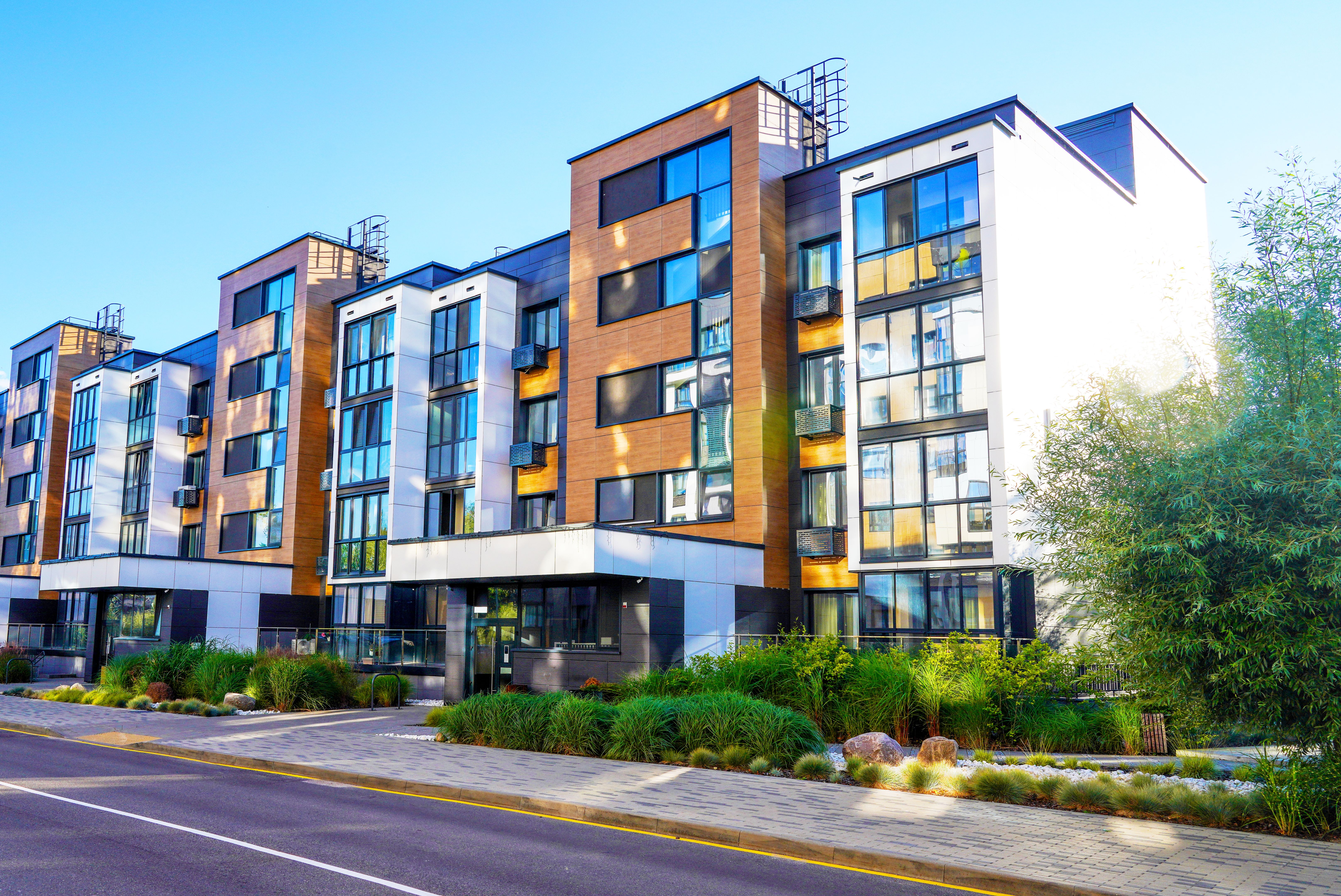
Several regions in North Carolina are particularly ripe for development. The Research Triangle, encompassing Raleigh, Durham, and Chapel Hill, is known for its tech industry and educational institutions, making it a prime location for both residential and commercial properties. Meanwhile, Charlotte, the state's largest city, continues to expand its skyline with new high-rise apartments and office buildings.
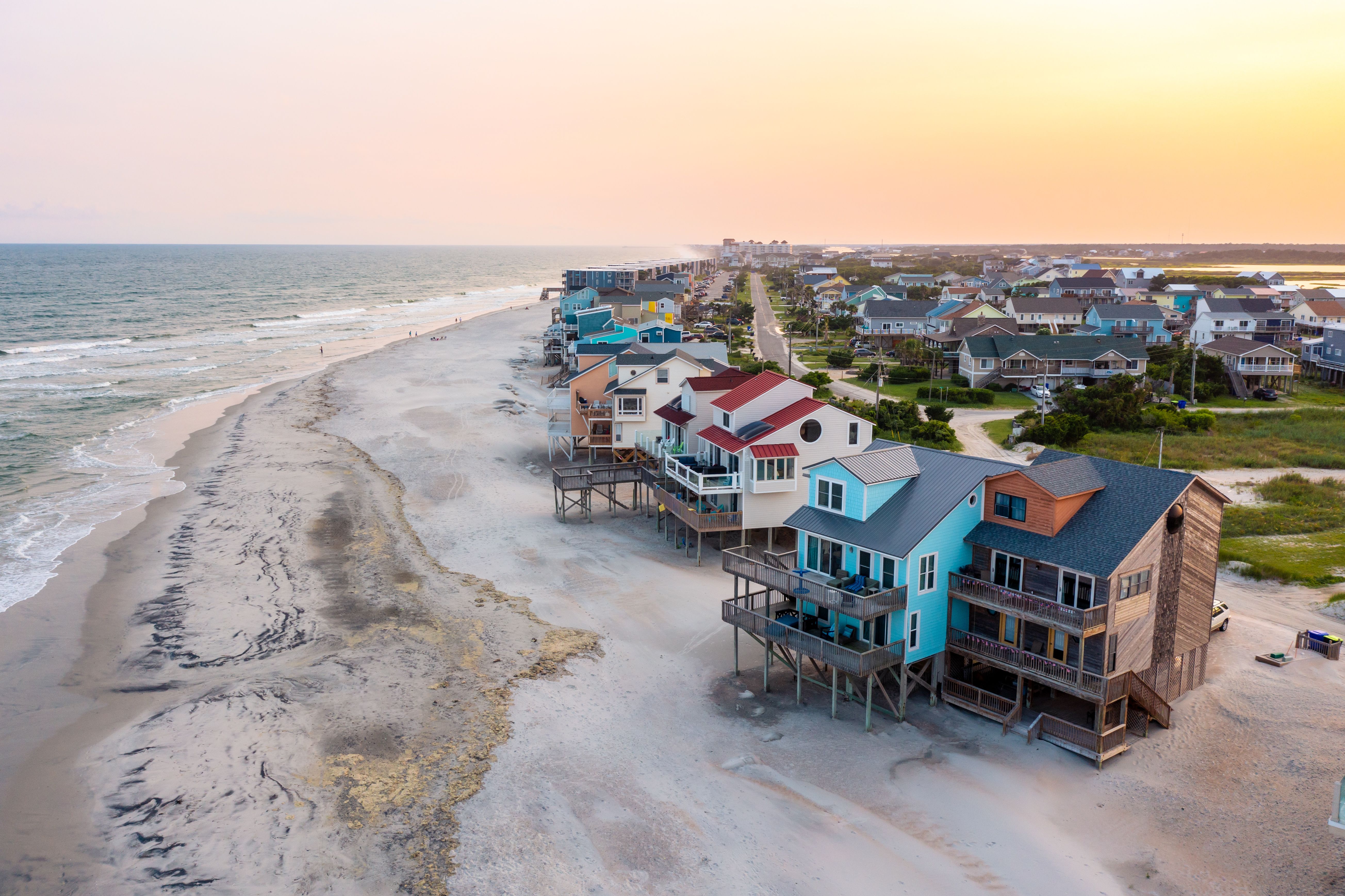
Coastal areas, such as Wilmington and the Outer Banks, offer unique opportunities for luxury and vacation properties. The mountains in the western part of the state also attract developers looking to create resorts and retirement communities.
Regulations and Permits
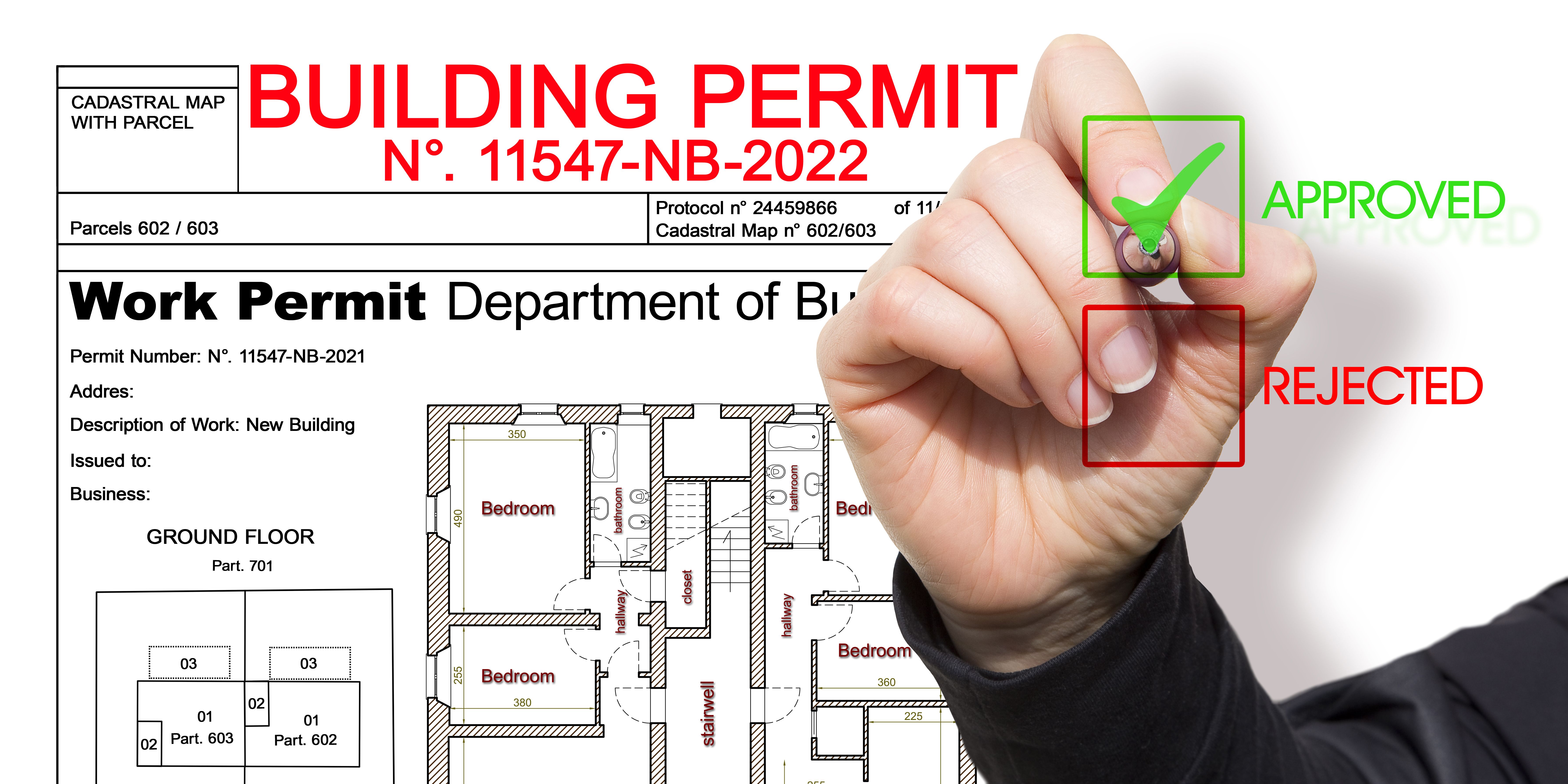
Understanding local regulations is crucial for anyone looking to develop real estate in North Carolina. The state has specific zoning laws that vary by county and city, so it's essential to research the rules in your target area. Obtaining the necessary permits can be a complex process, often requiring coordination with multiple government agencies.
Developers should also be aware of environmental regulations, particularly when building near protected areas or coastal regions. Consulting with local experts and hiring legal counsel can help navigate these challenges.
Financing Your Project
Securing financing is a critical step in any real estate development project. North Carolina offers a variety of options, from traditional bank loans to venture capital and private investors. Developers can also explore state-specific incentives, such as tax credits and grants, designed to encourage growth in certain areas.
Creating a detailed business plan and financial model will be essential in attracting potential investors. Highlighting the project's potential return on investment and aligning with market demand can significantly enhance your financing prospects.
Market Trends and Future Prospects
The real estate market in North Carolina continues to evolve, with trends pointing towards increased interest in sustainable and smart developments. Green building practices and energy-efficient designs are gaining popularity as both consumers and developers seek environmentally friendly options.
Additionally, the rise of remote work has influenced residential development, with more people looking for homes that offer dedicated office spaces and access to high-speed internet. Keeping an eye on these trends will be vital for developers aiming to create projects that meet future demands.

Conclusion
Real estate development in North Carolina presents a wealth of opportunities for those willing to navigate its dynamic market. From understanding local regulations to securing financing and staying ahead of market trends, developers have much to consider. However, with careful planning and strategic execution, North Carolina can offer rewarding prospects for both new and seasoned developers.