A Step-by-Step Guide to Developing Residential Communities


Developing residential communities is a complex yet rewarding endeavor that can significantly impact the quality of life for its residents. Whether you're a seasoned developer or new to the industry, understanding the essential steps can lead to successful community creation.
Conceptualizing the Vision
The first step in developing a residential community is to establish a clear vision. This involves understanding the target demographic, community needs, and the unique selling proposition of the development. Consider what will make your community stand out and how it will serve its residents effectively.
Engaging with potential residents and stakeholders during the planning phase can provide valuable insights. Conducting surveys and focus groups can help refine your vision and ensure it aligns with market demands.

Site Selection and Land Acquisition
Choosing the right location is crucial for any residential development. Factors such as proximity to schools, transportation, and amenities play a significant role in the desirability of the community. Conduct a thorough feasibility study to assess the land's suitability and potential challenges.
Once a suitable site is identified, the next step is land acquisition. This process involves negotiating with landowners, securing financing, and ensuring compliance with local zoning laws and regulations.
Design and Infrastructure Planning
With the land secured, focus shifts to designing the community layout and infrastructure. Collaborate with architects and urban planners to create a design that maximizes space, ensures safety, and fosters community interaction. Pay attention to the integration of green spaces, pedestrian pathways, and recreational facilities.
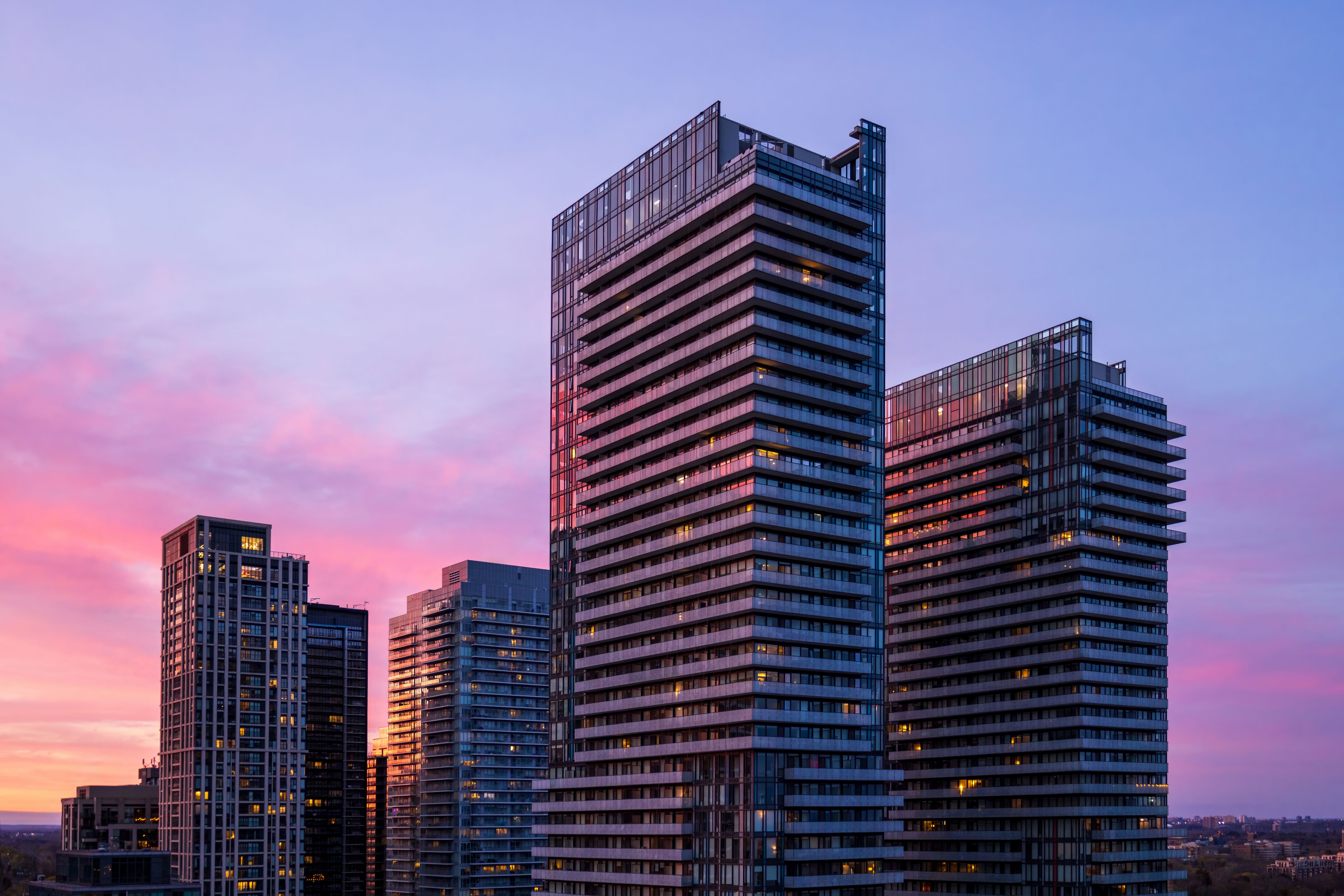
Infrastructure planning involves laying out essential services such as water, electricity, roads, and sewage systems. Partnering with experienced engineers can help streamline this process and ensure long-term sustainability.
Construction and Development
The construction phase is where the vision starts to materialize. Hiring reliable contractors and project managers is vital to ensure timely and quality completion of the project. Regular site visits and progress assessments help keep the development on track.
It’s important to maintain open communication with all stakeholders during this phase to address any challenges promptly and effectively.
Marketing and Sales
Once the construction is underway, it's time to focus on marketing the community to potential buyers or tenants. Develop a comprehensive marketing strategy that highlights the community's unique features and benefits. Utilize online platforms, open houses, and local events to reach your target audience.
Offering incentives or flexible financing options can attract buyers and accelerate sales.
Community Management and Growth
After the community is developed and homes are sold or rented, effective community management is essential. Establishing a homeowners' association (HOA) or management team can help maintain community standards and address resident concerns.

Encouraging community activities and fostering a sense of belonging can enhance the residents' experience and contribute to the community's long-term success.
Developing residential communities requires careful planning, execution, and management. By following these steps, you can create thriving communities that offer residents a high quality of life while achieving your development goals.