Creating Residential Communities: A Guide to Sustainable Living in Wake County


Introduction to Sustainable Living
In recent years, sustainable living has become more than just a trend—it's a necessity. As Wake County continues to grow, the need for creating residential communities that prioritize sustainability is becoming increasingly important. This guide explores how Wake County is fostering sustainable living and how residents can contribute to this vital cause.
Understanding Sustainable Communities
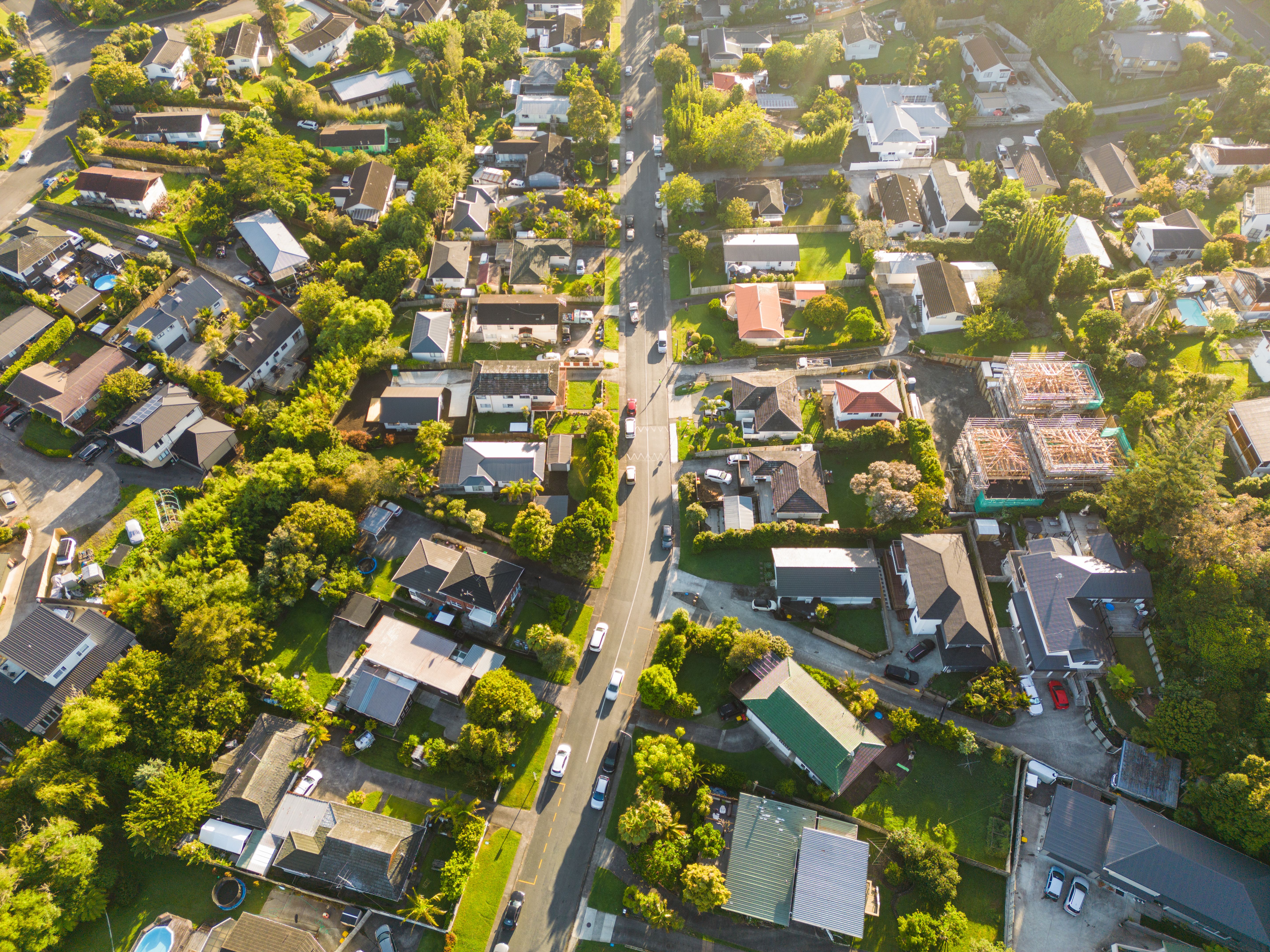
Sustainable communities are designed to be environmentally friendly, socially responsible, and economically viable. They aim to minimize environmental impact while enhancing quality of life for residents. In Wake County, these communities integrate green spaces, energy-efficient buildings, and sustainable transportation options.
Key Features of Sustainable Communities
Some of the key features include:
- Green Spaces: Parks, gardens, and natural landscapes that promote biodiversity.
- Energy Efficiency: Use of solar panels, LED lighting, and smart home technologies.
- Sustainable Transportation: Bicycle paths, electric vehicle charging stations, and public transit access.
Benefits of Sustainable Living
Choosing to live in a sustainable community offers numerous benefits. Not only do residents enjoy a healthier lifestyle, but they also contribute to reducing their carbon footprint. Sustainable living encourages community engagement and reduces costs associated with energy and water usage.

Economic Advantages
Sustainable communities often lead to economic benefits for both residents and developers. Reduced utility bills, increased property values, and potential tax incentives are just a few economic advantages that come with living sustainably.
Community Involvement
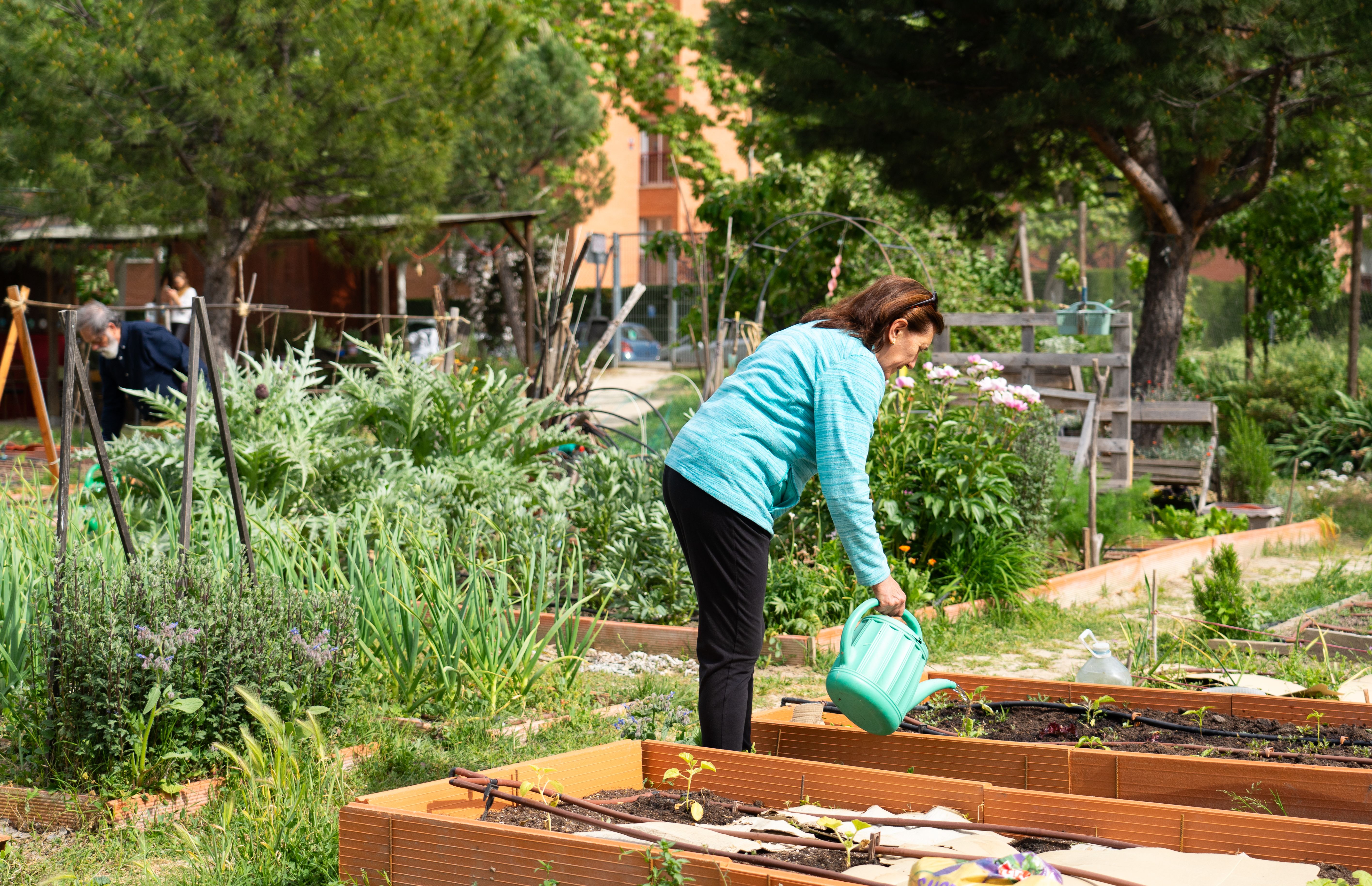
Building a sustainable community requires active participation from residents. Community gardens, recycling programs, and local sustainability workshops are excellent ways for individuals to get involved. Wake County offers various initiatives to support community-led sustainability projects.
How to Get Involved
Residents can take simple steps to contribute to sustainable living:
- Participate in local clean-up events and recycling initiatives.
- Join community gardening projects to promote local food production.
- Attend workshops on energy conservation and sustainable practices.
Challenges and Opportunities
While the path to sustainability presents challenges, such as upfront costs and changing old habits, it also offers unique opportunities for innovation and community growth. By embracing these challenges, Wake County can set an example for other regions to follow.
Overall, creating residential communities with a focus on sustainability in Wake County is not just about preserving the environment—it's about enhancing the quality of life for current and future generations. By working together, residents can make a significant impact and pave the way for a more sustainable future.