Expert Tips for Navigating Environmental Regulations in NC Land Development


Understanding the Basics of Environmental Regulations
North Carolina's rapid growth has made land development a booming industry. However, navigating the complex web of environmental regulations can be challenging for developers. Understanding the basics of these regulations is crucial to ensure compliance and avoid costly penalties.
Environmental regulations in North Carolina are designed to protect natural resources and preserve the environment. They encompass a wide range of areas, including water quality, air quality, and wildlife conservation. Developers must familiarize themselves with these laws to ensure their projects meet all necessary requirements.

Key Environmental Permits and Approvals
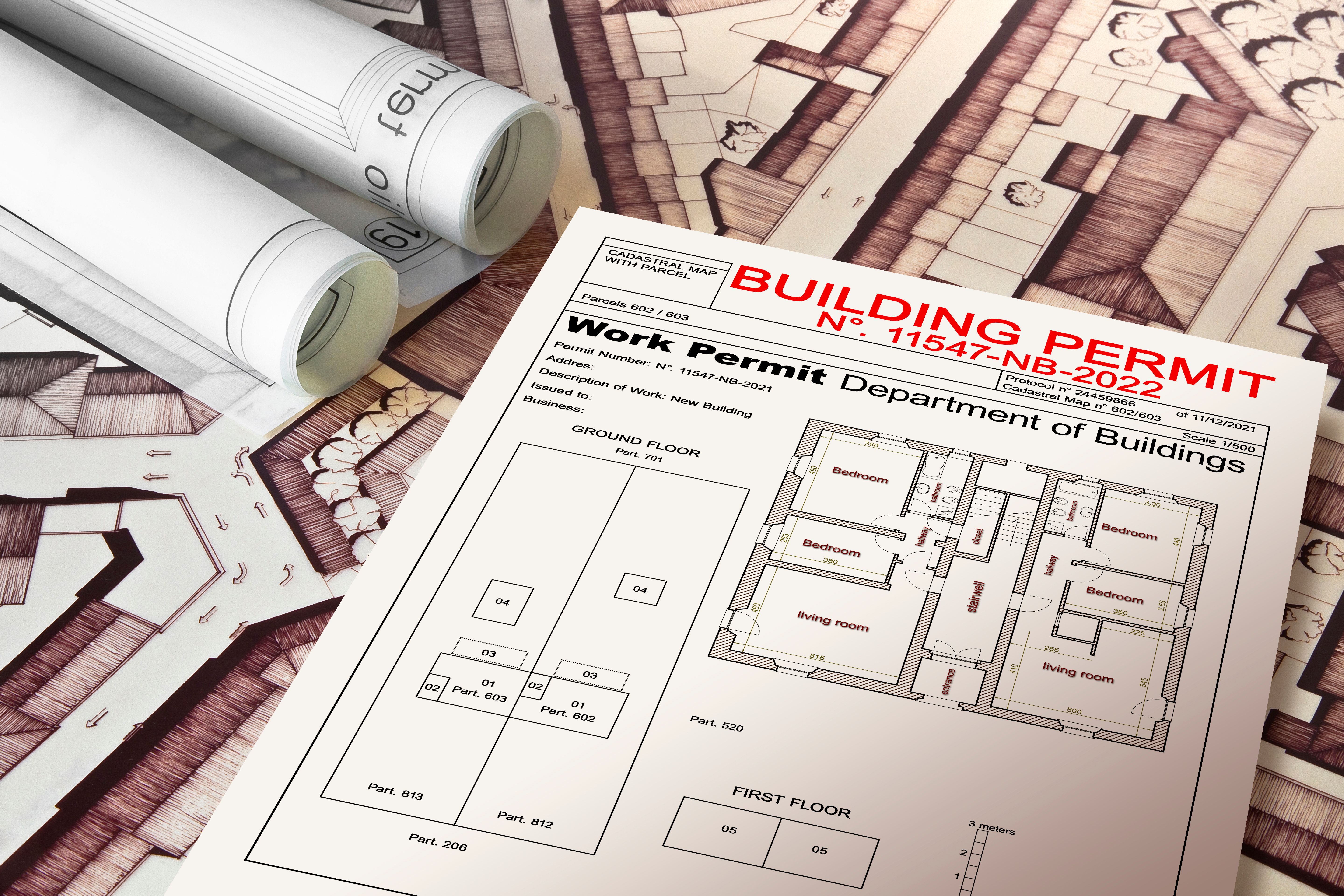
Before breaking ground, developers must obtain several key permits and approvals. The most common permits include the Water Quality Certification, Stormwater Permit, and Erosion and Sediment Control Plan. Each of these permits serves a specific purpose and is crucial for maintaining environmental integrity.
The Water Quality Certification ensures that projects do not adversely affect water bodies. The Stormwater Permit regulates runoff to prevent flooding and contamination, while the Erosion and Sediment Control Plan minimizes soil erosion during construction. Understanding these permits is essential for a smooth development process.
Engaging with Local Agencies and Experts
Collaboration with local agencies and experts is vital for navigating environmental regulations successfully. Agencies such as the North Carolina Department of Environmental Quality (NCDEQ) provide guidance and resources to help developers comply with state laws.
Engaging with environmental consultants can also provide valuable insights. These experts can assist in identifying potential regulatory hurdles and offer strategies to address them proactively. Building strong relationships with these stakeholders can facilitate quicker approvals and a more efficient development process.

Best Practices for Sustainable Development
Adopting sustainable development practices not only ensures compliance but also enhances the project's long-term viability. Incorporating green building techniques and prioritizing environmental conservation can set your project apart.
Consider using sustainable materials, implementing energy-efficient systems, and preserving natural habitats within the development area. These practices not only benefit the environment but can also attract environmentally conscious investors and buyers.
Staying Updated on Regulatory Changes
Environmental regulations are not static; they evolve over time. Staying informed about changes in legislation is crucial for continued compliance. Subscribe to updates from relevant agencies and participate in industry workshops and seminars.
Networking with other developers and industry professionals can provide additional insights into upcoming regulatory changes. By staying proactive, you can adapt your projects to meet new requirements without major disruptions.

Conclusion: Navigating Regulations with Confidence
Successfully navigating environmental regulations in North Carolina land development requires a comprehensive understanding of the legal landscape, collaboration with experts, and a commitment to sustainable practices. By following these expert tips, developers can ensure compliance and contribute positively to the state's growth.
With careful planning and proactive strategies, you can turn regulatory challenges into opportunities for innovation and success in your land development projects.