Top Tips for Sustainable Landscaping in Wake County


Understanding Sustainable Landscaping
Sustainable landscaping is an eco-friendly approach that focuses on creating beautiful, functional, and environmentally responsible outdoor spaces. In Wake County, where natural beauty and urban growth intersect, sustainable landscaping can help preserve local ecosystems while enhancing property value.
Choose Native Plants
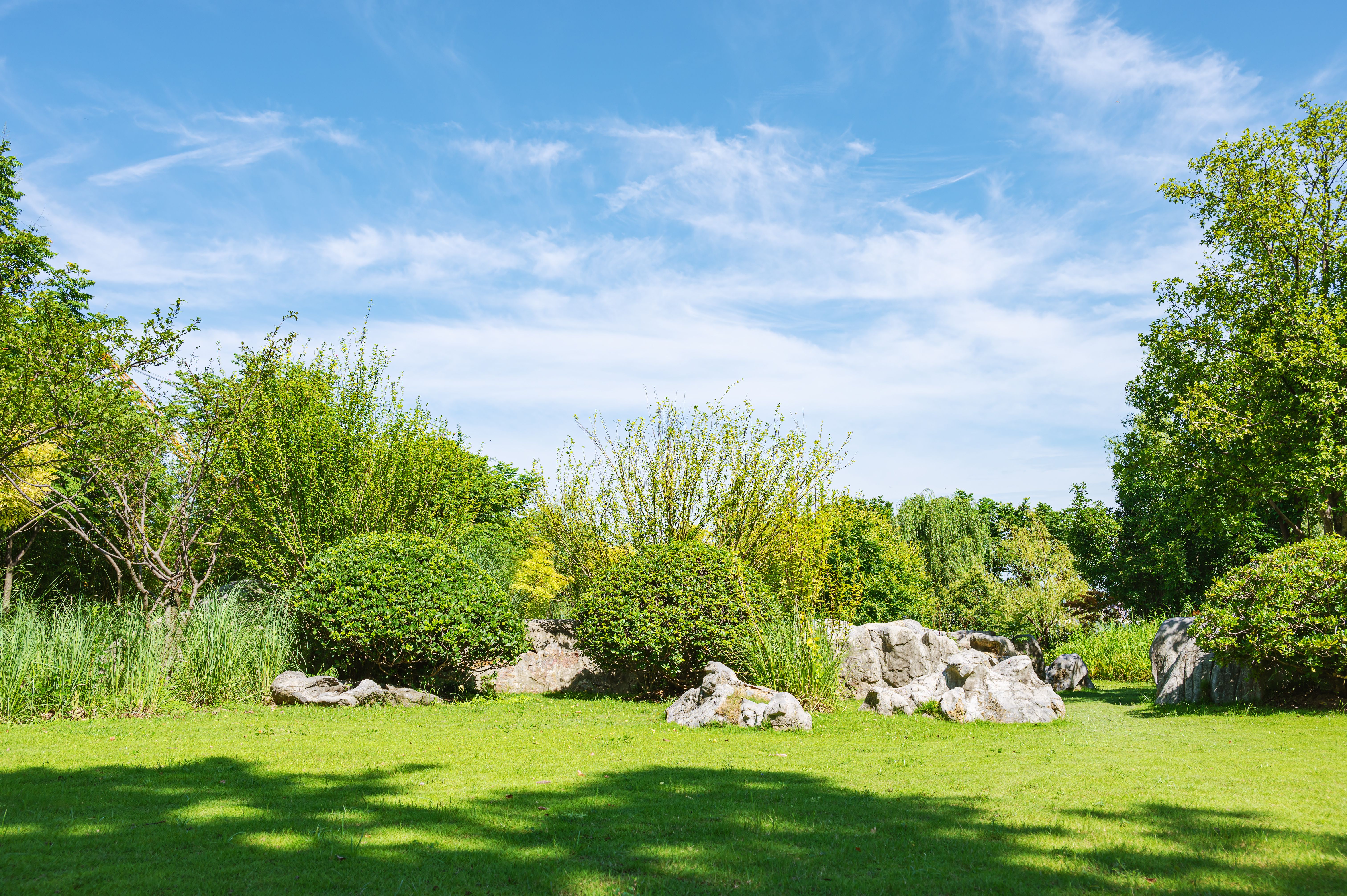
One of the best ways to achieve sustainability in your landscape is by incorporating native plants. These plants are adapted to the local climate and soil conditions, making them easier to maintain and less reliant on water and fertilizers. Native plants also support local wildlife, including bees and butterflies, which are crucial for pollination.
Efficient Water Management
Water conservation is a key aspect of sustainable landscaping. Implementing a rainwater harvesting system or using drip irrigation can significantly reduce water usage. Additionally, consider planting drought-resistant species that require less water, further conserving this precious resource.

Soil Health and Composting
Healthy soil is the foundation of a sustainable landscape. Regularly test your soil to understand its composition and nutrient needs. Incorporating organic matter, such as compost, can improve soil health by providing essential nutrients and improving its structure.
Use Eco-Friendly Materials
When selecting materials for pathways, patios, or garden beds, opt for eco-friendly options. Recycled materials like reclaimed wood or stone not only reduce waste but also add a unique aesthetic to your landscape. Permeable materials can also help reduce runoff and improve water infiltration.

Energy Efficiency in Landscaping
Incorporating energy-efficient elements into your landscape design can further enhance its sustainability. Strategically planting trees and shrubs can provide natural shade, reducing the need for air conditioning in the summer. Installing solar-powered outdoor lights can also reduce energy consumption while maintaining a safe and inviting environment.
Creating Wildlife Habitats
Enhancing biodiversity is a significant benefit of sustainable landscaping. By creating habitats for local wildlife, you can support ecological balance. Birdhouses, bat boxes, and butterfly gardens are excellent additions to attract and support diverse species.
Long-Term Maintenance Strategies
Sustainable landscaping is not a one-time effort but requires ongoing maintenance strategies. Regularly pruning plants, mulching, and monitoring for pests can keep your landscape healthy and thriving. By adopting a proactive approach, you can ensure your outdoor space remains sustainable for years to come.
Community Involvement and Education
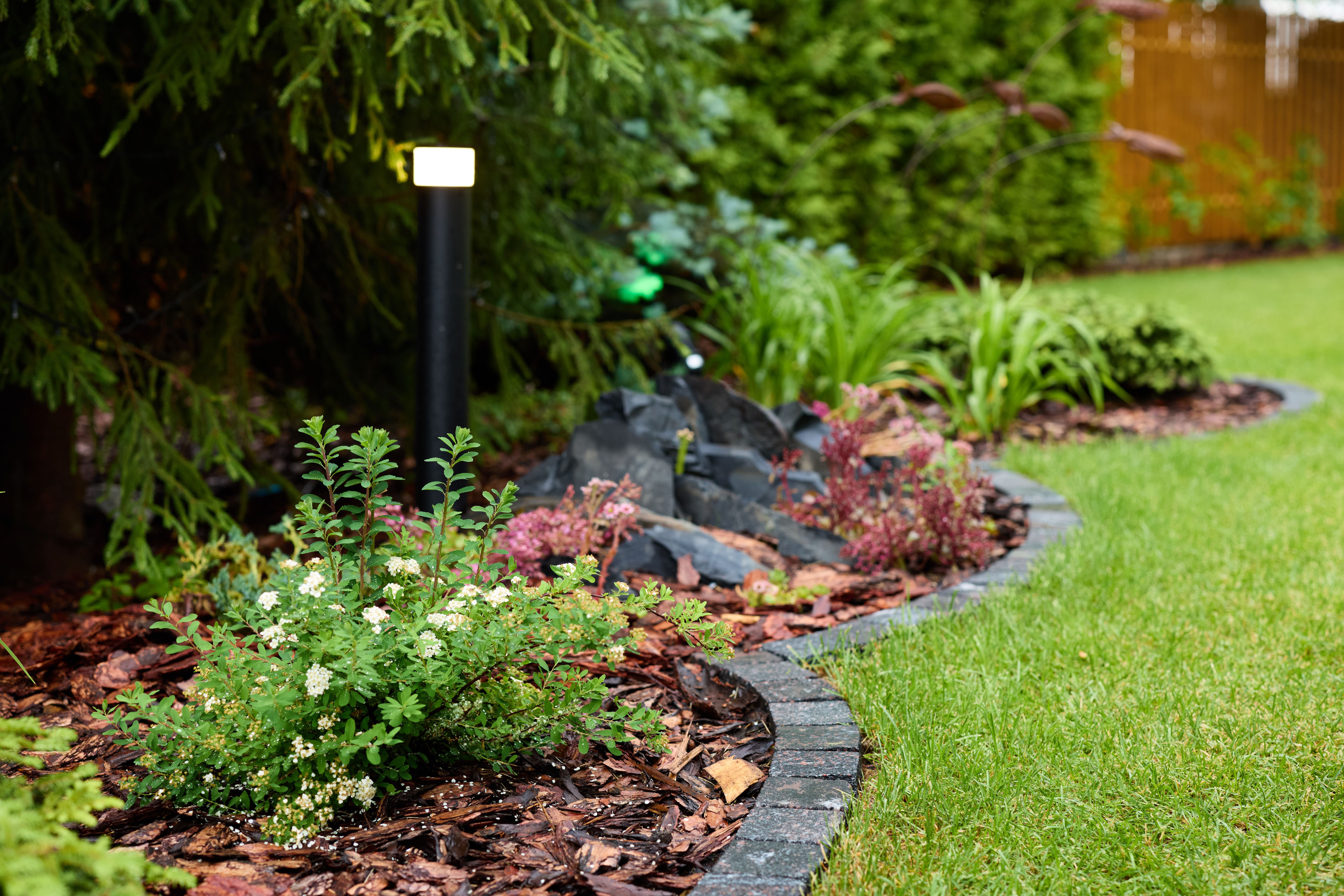
Finally, engaging with the community and educating others about sustainable practices can amplify your efforts. Participate in local workshops, join gardening clubs, or collaborate with neighbors to promote sustainability in your area. Sharing knowledge and resources can have a lasting impact on Wake County's environment.