Top Trends in Smart City Development: Insights from North Carolina Projects


Introduction to Smart City Development
Smart city development is revolutionizing urban living, integrating technology to improve infrastructure, increase sustainability, and enhance the quality of life for residents. North Carolina is at the forefront of this movement, with a variety of innovative projects that offer valuable insights into the future of urban development.
Emphasis on Sustainability
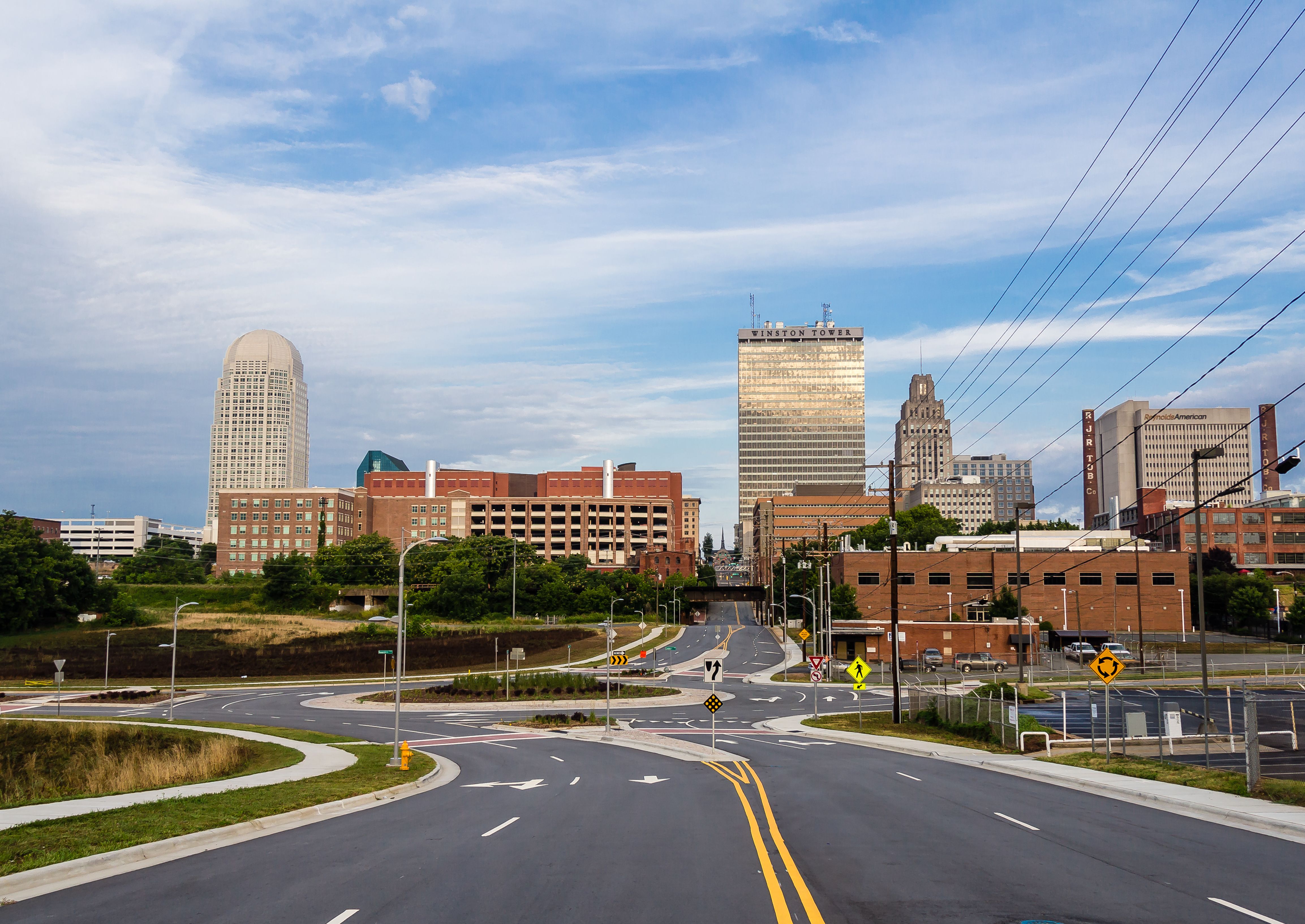
One of the primary focuses of smart city projects in North Carolina is sustainability. Cities like Charlotte and Raleigh are implementing green technologies to reduce carbon footprints. From solar-powered public lighting to electric vehicle charging stations, these cities are setting benchmarks for eco-friendly urban planning.
Sustainability initiatives not only help in conserving resources but also attract environmentally conscious businesses and residents, making cities more appealing and livable.
Renewable Energy Integration
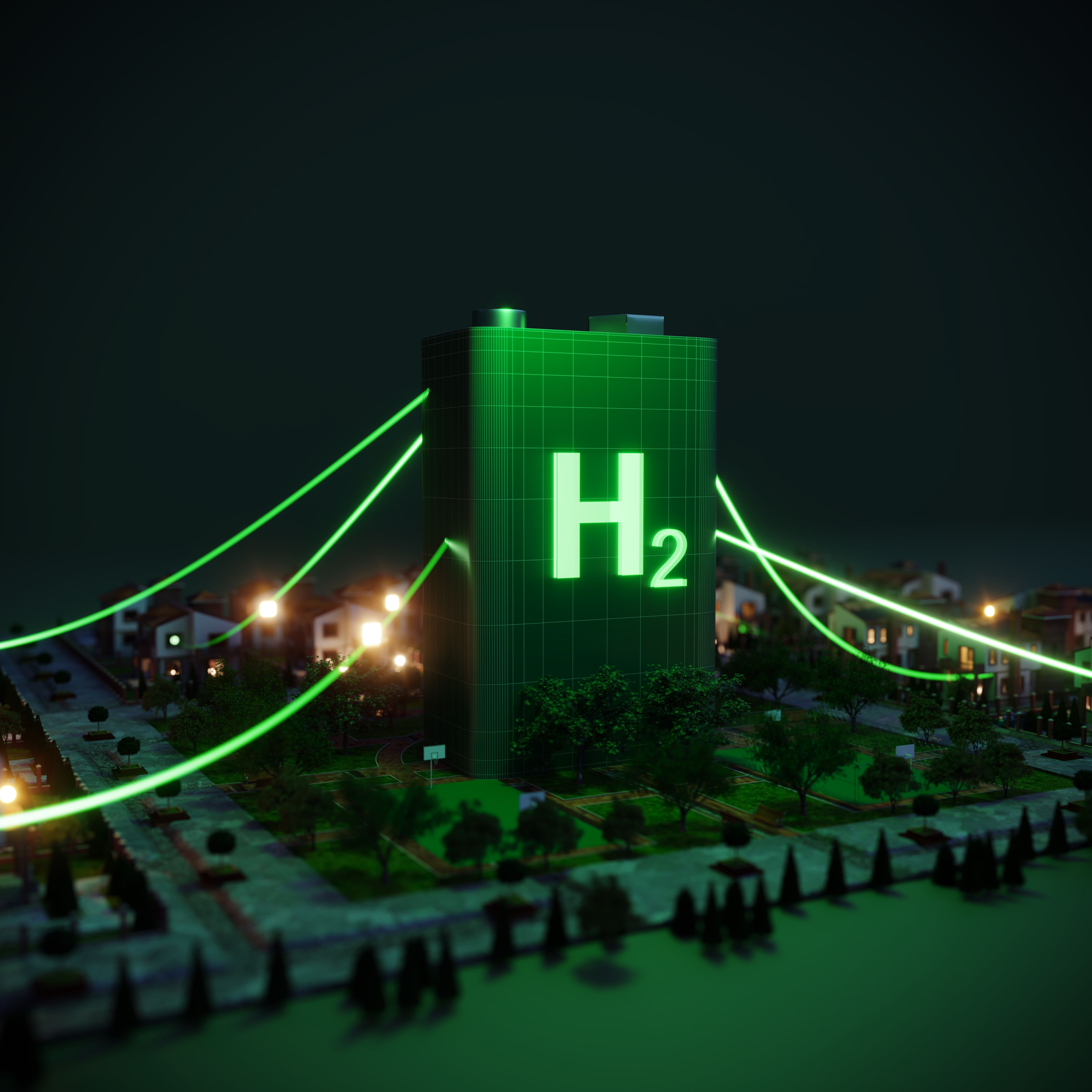
North Carolina is leading the charge in renewable energy adoption. Projects in the state are heavily investing in solar and wind energy, demonstrating a commitment to reducing reliance on fossil fuels. This transition is crucial for creating a sustainable urban future.
Advanced Transportation Systems
Smart transportation is another critical aspect of North Carolina’s smart city projects. Cities are incorporating advanced technologies to improve traffic flow and reduce congestion. This includes the use of AI for traffic signal optimization and the deployment of autonomous public transport systems.
Efficient transportation not only enhances mobility but also significantly cuts down on emissions, contributing to cleaner urban environments.
Mass Transit Innovations
The introduction of smart mass transit options, such as app-driven bus services and real-time tracking, is making public transportation more accessible and user-friendly. These innovations are crucial for encouraging residents to opt for public transport over personal vehicles.

Data-Driven Urban Planning
Data analytics play a pivotal role in the development of smart cities. North Carolina is utilizing data to make informed decisions regarding urban planning and infrastructure development. This data-driven approach enables cities to anticipate needs and address challenges proactively.
By analyzing patterns and trends, city planners can optimize resource allocation and improve service delivery, enhancing the overall urban living experience.
Community Engagement through Technology
Smart city projects in North Carolina are also focusing on engaging the community through technology. Platforms that allow residents to provide feedback and participate in decision-making processes are being implemented, fostering a sense of community ownership and collaboration.

Conclusion
North Carolina’s smart city projects offer a glimpse into the future of urban living. By prioritizing sustainability, advanced transportation, and data-driven decision-making, these projects are setting the stage for cities worldwide to follow. As these initiatives continue to evolve, they promise to create more efficient, livable, and sustainable urban environments.